
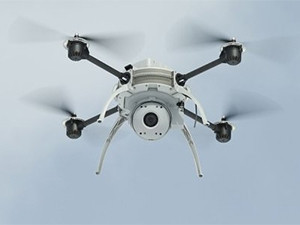
Global commercial drone sales are expected to rise by 84% in 2016, with the large increase spurred by growing agricultural drone use.
This is according to a new study from Juniper Research, which found annual revenue from commercial drone sales are expected to reach $481 million (R8 billion) this year, a massive rise from last year's figure of $261 million.
The research - which covers consumer and commercial applications, regulations and opportunities for drones from 2015 to 2020 - found that a low price point had significantly reduced the barrier to entry in many sectors, with high-performance models now available for less than $3 000 (R50 000).
Juniper believes the reduction in drone price points has in turn resulted in their commercial application within an array of new fields, including mapping, inspection and monitoring.
The firm predicts the strongest growth will come from the agricultural sector, which the research expects to account for 48% of all commercial drone sales this year.
"Here, UAVs (unmanned aerial vehicles) help save time and costs over other methods, such as walking fields on foot and using planes for fly-over filming. Furthermore, the ease of use of a UAV created for the sector allows for more regular crop surveying," according to the report.
Meanwhile, the research also found demand for UAVs in the film and television sectors is soaring. Drones provide a much cheaper and more flexible alternative to the use of helicopters and other methods to capture footage for the film and TV industry, particularly for action sequences.
However, in South Africa, new drone regulations have caused some unhappiness among local film makers, who see them as too restrictive.
Safety headache
The research also cautioned that a raft of privacy, safety and security concerns mean the usage of drones for delivery purposes is likely to be severely constrained or even prohibited within built-up areas.
According to research co-author Dr Windsor Holden, regulators would be extremely wary of allowing planned services such as Amazon Prime Air and Google's Project Wing to be offered except as a means of delivering to isolated rural communities.
"Regulators are understandably concerned that the deployment of delivery drones in inner cities would significantly increase the risk of potentially fatal collisions with cars or even pedestrians," Holden warns.
The research also claimed there was a danger delivery drones could be hacked by terrorists, conceivably delivering an explosives payload into areas where they would be capable of causing high levels of civilian casualties.
Share

