
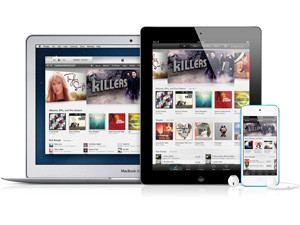
Apple has officially released iTunes 11, after it was first unveiled in September alongside the iPhone 5 and new iPods.
Initially due for release by the end of October, last month Apple said the new iTunes was "taking longer than expected" and the company wanted to take some extra time to get it right. This followed the "Mapple Gate" saga and the less than warm reception for the release of Apple's self-built Maps app for iOS 6.
The new version of iTunes is the biggest redesign of the service's interface to date, with a focus on simplicity and iCloud integration. iTunes made its debut in 2001 and over the years has evolved from being a standard music player to an App Store, content store and device management tool - and overall, a fairly complicated piece of software.
A criticism has been that as the service has grown, the different elements have felt like disparate features rather than an integrated package. iTunes 11 is expected to address this through a more cohesive and connected user experience.
When iTunes 11 was first unveiled, Apple's senior VP of Internet software and services, Eddy Cue, said: "We created iTunes because we love music and we're going back to our roots with an incredibly clean design that keeps your music at the forefront."
Some of the new features include improved playlist creation (with a dedicated pane for dropping songs and albums) and improved iDevice management tools. All purchased music, movies and TV shows now also show in the user's library (even if not downloaded to that specific device) thanks to the new iCloud integration. Users can also start watching a video on one iCloud-enabled device, and pick up where they left off on another.
Another feature picked up by some early adopters is the ability to redeem an iTunes gift card by holding it up to the computer camera. A new mini-player is also included in the update.
According to Apple, the iTunes Store has over 26 million songs, 700 000 apps, 190 000 TV episodes and 45 000 films.
The new version of iTunes is available for OS X (through the Mac App Store) and Windows via the iTunes page on the Apple site.
Share

