
The Internet of things is increasingly garnering attention from the ICT industry and Gartner has identified it as one of the top tech trends for 2014.
Gartner analyst, Chris Howard, says the Internet of things is not the future, it is already here. According to Gartner, there were roughly 2.5 billion things that were connected in 2009, and by 2020, there will be 15 billion to 30 billion things with a unique IP address.
Increasingly, technology is used to simplify, improve and promote everyday objects. ITWeb compiled a list of some of the more unexpected examples:
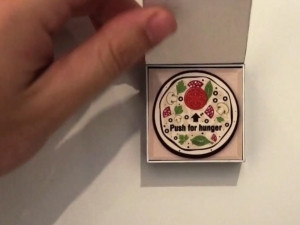
1. A fast food restaurant in Dubai, called Red Tomato, has developed a fridge magnet that brings pizza to your doorstep with the push of a button. The restaurant says the pizza fridge magnet works as an "emergency pizza button". The user syncs the magnet via Bluetooth with their smartphone. By pressing the magnet, an order for your favourite pizza (as set up online) is placed. An SMS confirmation is sent to your smartphone and a few minutes later your pizza is delivered to your door. The magnet is cleverly designed to look like a pizza box with a lid that opens up, to avoid accidental button presses.
2. Another pizza restaurant is appealing to consumers' senses to boost business. In Brazil, pizza chain Dominos is embedding DVDs with chemicals that release a pizza smell from the DVD player when it heats up. The label on the DVD also changes during play, so when the DVD is removed, the label looks like a pizza.
3. Reebok and the Cambridge technology company, MC10, have released a device, called CheckLight that can tell when a wearer has a concussion. Studies have reportedly discovered that high school and college football players, in particular, suffer an average of more than 800 powerful blows to the head in a given season. In addition, players are unlikely to admit they are hurt because they want to stay in the game. CheckLight is a skullcap with a body sensor and a small screen that lights up on impact - yellow for a moderate blow and red for more severe - that indicates a player needs to be checked.
4. Beam Technologies has developed a Bluetooth-enabled toothbrush that includes not only a sensor to track frequency and duration of brushing, but also a timer that can play the user's music of choice for two minutes. The Beam Brush toothbrush has a button that can be pressed to sync data to a companion app and send it off to your dentist. Beam Technologies has even introduced a rewards programme for people that make certain targets, such as brushing twice daily.
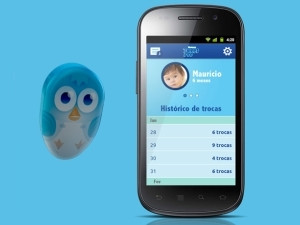
5. Huggies is piloting a device in Brazil that alerts parents when their baby needs to be changed. TweetPee is a cute-looking humidity sensor that clips onto a baby's nappy and corresponds with an accompanying smartphone app. As soon as the TweetPee detects the need for a nappy-change, mom gets a message on her phone.
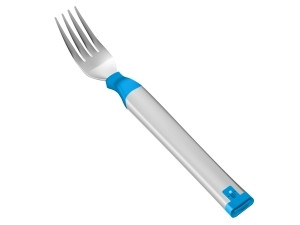
6. Consumers could soon be losing weight with the help of a tech fork. HapiFork is an electronic fork that monitors eating habits. It alerts the user with the help of indicator lights and vibrations when he or she is eating too fast. The fork records how long your meal lasts, how much time elapses between each bite of food and how many mouthfuls of food you consume. The fork is already available for order online and will start shipping in November.
7. Wellsense has developed the MAP System, which can detect potential bedsores before they occur. Designed for use in hospitals and long-term care facilities, the system is a mat outfitted with a number of sensors that constantly measure the pressure of someone lying on a mattress on top of it. This information is then sent to a handheld monitoring unit which indicates areas of high, prolonged pressure and recommends when the person needs to move, or be moved, to keep bedsores at bay.
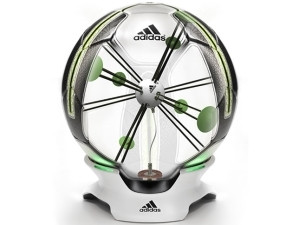
8. Adidas will next year introduce a smart soccer ball that measures the speed, spin and trajectory of each kick. Called the miCoach Smart Ball, the ball contains a spring-mounted sensor to the very centre that takes command of the measurements, while the exterior has green zone markings to assist with where to kick the ball to generate the desired results. The data is then sent back to an iOS device via Bluetooth after each strike.
Share

