
Huawei is looking to grow its brand as a devices manufacturer globally, and has plans to move aggressively into Africa. This is according to Jerry Huang, director for marketing and communications, speaking at the company's global headquarters in Shenzhen, China.
According to Huang, Huawei has established itself as a global telecoms company, but is often not recognised as a device manufacturer in many countries. "Our biggest challenge is brand awareness," he notes. "We are planning several brand awareness campaigns in the different regions and have started building our brand on social media, engaging locally with our customers. Starting from this year, PR and digital are receiving significant investment from the company."
Huang explains that brand building is one of four key focuses in Huawei's devices strategy, alongside listening to consumers, delivering capabilities and partnerships, and delivering the LTE promise. "We are also seeking collaboration with non-operator role-players in the different countries like channel and e-commerce companies. Africa is a region that already has our footprint with channel markets, so we are going to try more and harder there."
Huawei's global smartphone shipment grew 67%, to 12.7 million units, in Q3 2013. The company currently holds third place in global smartphone revenue with 8.1%, falling behind Samsung with more than 30% and Apple with 13%. "When you think that Huawei has only been branding itself as a devices manufacturer for the past two years, this is not bad at all," says Huang.
Last year, Huawei devices raked in $7.8 billion in revenue, and the company has set a target of $9 billion for this year.
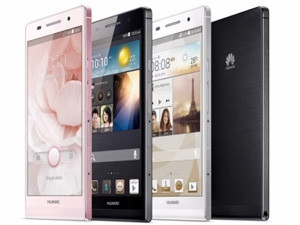
Huawei is positive about its recently launched flagship smartphone, the Ascend P6. Two million units have been shipped since its global launch in June, of which over 1.4 million were sold in China, says Huang.
"We believe that the quality of our smartphones is what sets us apart. We want to become the leading mobile brand for consumers, as well as our channel partners. We want to offer the integration of cloud and device to provide an amazing experience for consumers."
On a question whether the company has plans to go into the development and manufacturing of wearable devices, Huang says not at the moment. "We are technology-ready for wearable devices, but we do have a concern about whether these devices are going to appeal to a mass market or a niche market. The [demand] has to validate the investment."
Share

