
Government has committed to prioritise battery energy storage systems (BESS) and gas-to-power to boost the country’s energy security.
This, in line with South Africa’s plans to add more renewable energy sources to the national grid, which has been under pressure for many years.
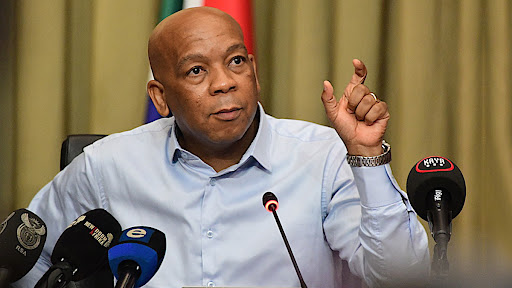
Presenting the new Section 34 Determination for additional generation capacity over the 2026-2037 period, electricity and energy minister Dr Kgosientsho Ramokgopa said the blueprint aims to address an immediate problem.
He noted the prioritisation will respond to the electricity system’s “requirements for storage, flexibility and dispatchable supply”.
“We are sitting with a new problem…on the back of the clinical implementation of the Generation Recovery Plan by Eskom, we are sitting with surplus electricity on the system. That itself presents a major risk to the system.

“This intervention is to ensure we avert the possibility of market failure…undermining our future ambition to procure new generation capacity from the private sector because financing will be very expensive because of this curtailment arrangement.
“We are going to increase the risk of these projects failing, so it’s important that we make an intervention in relation to how we deal with curtailment. It also undermines the South African economy to benefit from this excess generation capacity, so we want to provide for storage,” he said.
Ramokgopa’s Department of Electricity and Energy acts as a policymaker and shareholder for power utility Eskom.
His pronouncements come as South Africa’s independent power producers set out to deploy multibillion-rand battery energy projects for electricity supply.
According to the department, BESS is central to mitigating curtailment.
“Batteries can charge from electricity that would otherwise be curtailed and discharge during evening peaks or other periods of need. This will help convert surplus generation into usable electricity, while providing rapid balancing and grid support.
“Storage must be located and operated where it can access surplus electricity and discharge without reproducing the network constraint. Procurement will therefore be aligned with the charging and discharge requirements of the system operator, supported by enforceable availability and performance obligations,” it explained.
The department noted the country already has a foundation for expanding this programme.
Last June, all five projects in the first battery storage bid window had reached commercial close and entered construction, attracting R15.4 billion in investment, it added.
Both storage and gas procurement will form part of government’s programme of transmission expansion, new industrial electricity demand and regional electricity trade.
Share

