
SAP unveiled its "Skills for Africa" programme yesterday, in an effort to develop much-needed ICT skills among students across the continent. The programme will be driven around SAP Africa's strategic hubs, namely in SA, Angola, Nigeria, Kenya and Senegal.
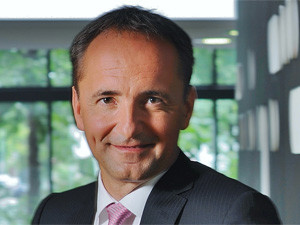
The introduction of the programme coincided with co-CEO Jim Hagemann Snabe's visit to SA. He launched the initiative alongside SAP Africa CEO Pfungwa Serima.
According to Hagemann Snabe, SAP is committed to social investment by promoting education and entrepreneurship. "The biggest inhibitor of growth is the availability of skills in technologies," says Hagemann Snabe. "We want to get people employed in jobs that are relevant for the future, so this programme is training with employability purpose."
The programme is targeted at students who have been identified in collaboration with the government in each of the focus countries. SAP will work with various tertiary institutions, industry partners, and customers to ensure students who gain skills through the programme are also given the necessary workplace experience.
Combining learning methodologies, the programme will use both classroom and e-learning, explained Hagemann Snabe. Apart from printed course material, data encrypted dongles will also be used, which are valid for the period of the course duration. In the interest of negating piracy, the dongle will be de-activated automatically after the validity period of the course. Learning material will be available in English, French and Portuguese across the relevant countries.
Hagemann Snabe was unable to specify SAP's financial investment in the programme, simply saying it is a "multimillion-euro investment over the next five years".
The pilot phase of the programme was successfully rolled out in Kenya, in October 2012, with over 100 students soon to be trained. Over the next five years an average of 100 students per year, per country will be targeted, which will result in 2 500 students being skilled in the ICT industry.
"Africa is jumping generations in technology, going from scarce resources directly into modern technology," said Hagemann Snabe. "Bearing in mind that the unemployment rate varies from 25.5% in SA to almost 48% in Senegal, there is a distinct requirement for business to help develop an appropriate skills base, especially when taking into account the enormous growth opportunity for Africa from an infrastructure perspective."
A second phase of the rollout is already being planned to extend to an additional set of countries, including Mauritius and the Ivory Coast.
Share

