
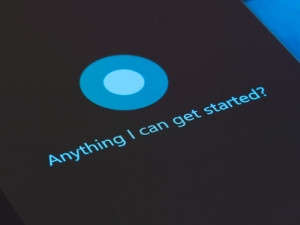
Digital assistants such as Siri and Cortana will offer new advertising opportunities, with ad spend forecast to grow to over $12 billion by 2021, indicating an increase of over 3 000% on estimated spend for 2016.
This is according to a Juniper report titled Digital Voice Assistants: Platforms, Revenues & Opportunities 2016-2021, which reveals almost 80% of digital assistants will be used via mobile devices, providing new paid search opportunities in the coming years.
The study notes that besides integration into smartphones and PCs, digital assistants will be part of many home and automotive devices in future, creating new spaces for human-computer interaction.
According to the report, improvements in artificial intelligence have led to a proliferation of programs, of which Siri, Google Now and Cortana are the best known. However, there are several others, from Amazon to Nuance, SoundHound and Vi, that will provide strong competition.
"Voice assistants are a great opportunity to create more convenient ways to interact with devices. However, they need to balance the need for accurate data with consumers' privacy needs, and this will drive changes in how digital assistants are programmed in future, in order to make the data secure and under the users' control," says research author James Moar.
As much of the technology grew out of voice search, Juniper expects digital assistants to follow a similar monetisation strategy, with companies paying to provide specific targeted results.
Gartner predicts that, by 2019, in at least 25% of households in developed economies, digital assistants on smartphones and other devices will serve as the primary interface to connected home services.
"In the not-too-distant future, users will no longer have to contend with multiple apps; instead, they will literally talk to digital personal assistants such as Apple's Siri, Amazon's Alexa or Google Assistant. Some of these personal assistants are cloud-based and already beginning to leverage smart machine technology.
"Consumers don't want to deal with separate proprietary apps for each type of connected device in their home. Rather than individual apps, it is the interactions between devices ? as well as with service providers and external data sources ? that are most compelling to consumers," says Mark O'Neill, research director at Gartner.
A report conducted by Research and Markets estimates active consumer use of virtual digital agents (VDAs), chatbots and virtual assistants for consumer and enterprise markets will grow to 1.8 billion worldwide by the end of 2021.
The market intelligence firm forecasts that total VDA revenue will grow from $1.6 billion in 2015 to $15.8 billion in 2021.
"Many of the world's technology giants believe VDAs will be vital to their businesses in the future, and they are investing significant resources to capture market share at this early stage," says Research and Markets.
Share

