
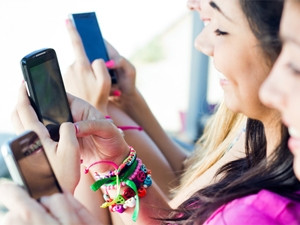
Over 1.7 billion females in low- and middle-income countries do not own mobile phones, and women on average are 14% less likely to own a mobile phone than men, creating a gender gap of 200 million fewer women than men owning mobile phones.
This is according to the GSM Association (GSMA), in its "Bridging the gender gap: Mobile access and usage in low-and middle-income countries" report.
The report reveals that despite the progress made in mobile phone adoption, women continue to be left behind and challenges remain in ensuring women are included in an increasingly connected and Internet-enabled world.
The results were gathered in 11 countries - China, Colombia, DRC, Egypt, India, Indonesia, Jordan, Kenya, Mexico, Niger and Turkey, and included surveys with 11 000 women and men (both mobile phone owners and non-owners).
At least 60% of women in 10 out of the 11 countries surveyed said mobile phone ownership saves or would save them money. The respondents (60%) in every country claimed a mobile phone helps or would help make running errands either more convenient or less expensive.
About 58% said mobile phones would help them feel more autonomous and independent.
Anne Bouverot, director-general at the GSMA, points out the ubiquity and affordability of mobile phones presents an unprecedented opportunity to improve and enhance social and economic development.
According to Bouverot, the gender gap in mobile ownership and use is driven by a complex set of socio-economic and cultural barriers that negatively affect women.
The report says social norms can discourage women's access to and use of mobile technology.
Also, cost remains the greatest barrier to owning and using a mobile phone for women, who typically have less financial independence than men, revealed the report.
"Without targeted intervention from the mobile industry, policy-makers, and other stakeholders, the gender gap in ownership and use is unlikely to close naturally on its own."
She believes by addressing the gender gap in mobile phone ownership and use, there will be substantial benefits for women, the mobile industry and the broader economy.
The report states that ensuring women in low- and middle-income countries own phones could unlock an estimated $170 billion market opportunity for the mobile industry, in the next five years.
Mobile phones help women feel safer and more connected, save time and enable access to key services such mobile money and health information, says Bouverot.
They offer a cost-effective channel for delivering services and have the potential to increase access to education and employment opportunities, an area where women are still disadvantaged in many parts of the world, she notes.
Share

