Infotech Integrated Solutions (IIS) is developing a CRM solution to help streamline the work of The Goodness Project – a non-profit organisation that connects public and private healthcare sectors to help state patients access free surgeries and reduce waiting lists.
The solution not only simplifies management of a complex environment – it also assures compliance and delivers personalised features at a fraction of the cost of many other CRM systems.
Helping redesign the care journey
The Goodness Project is a South African NPO focusing on helping patients access life-changing medical care through a network of healthcare providers, funding partners, donors, volunteers and support services. The organisation co-ordinates patient referrals, funding, treatment, recovery and ongoing support, ensuring that individuals receive the care they need while maintaining accountability and transparency for all stakeholders involved.
The Goodness Project Founder and CEO Wimpie Aucamp notes that the project operates across a complex ecosystem that includes patients, funding partners, donors, hospitals, healthcare providers, volunteers, spiritual care partners, internal teams and working groups.
“Co-ordinating those relationships while managing sensitive information, funding processes, medical engagements, patient progress and reporting creates an information management challenge,” he says. “For us, the answer was a central platform built around the patient journey.”
The purpose-built CRM Patient Management Application brings the patient journey, stakeholder relationships, workflow management, reporting and governance together into a connected digital environment. The solution is supported by Infotech’s Custom Compliance Dashboard and G-Former workflow project management tool.
The system is designed to support patient intake and journey tracking; funding partner and donor life cycle management; funding commitments and monitoring and evaluation reporting information; hospital and doctor relationship management; volunteer co-ordination, assignments and training records; and executive, operational and funder-facing reporting.
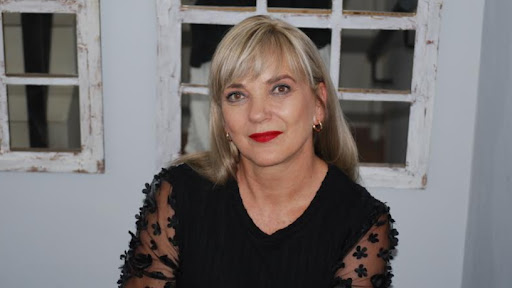
Sanette Wehmeyer, IIS Sales Executive, says the new system is an example of how digital transformation is not simply about replacing spreadsheets or introducing another application.
“It is about connecting people, information and processes so that important work does not get lost between systems, inboxes and manual follow-ups. That challenge sits at the heart of the technology solution being developed for The Goodness Project.”
Patient-centric care
Wehmeyer says the Patient CRM is designed to follow a case from the moment a referral is received, through documentation verification, clinical review, funding confirmation and scheduling.
It then continues through pre-surgery support, surgery completion, post-operative recovery, spiritual follow-up and ongoing support where applicable.
“It creates the foundation for something far more valuable than a traditional contact database: a connected view of the patient journey, connecting patients with the ecosystem supporting them,” she says. “One of the strengths of the platform is that the patient does not exist in isolation from the people and organisations involved in their journey.”
The solution was carefully designed and built to meet The Goodness Project’s unique needs. “For IIS, It is about understanding the customer's operating environment deeply enough to build technology around it,” Wehmeyer says.
She emphasises that the objective of the system was not merely to digitise an existing form or database – it was to connect information to the workflows and relationships surrounding it.
“Capturing information is only one part of the challenge – someone still needs to act on it.
That is why workflow automation is a significant part of the solution,” she says.
To achieve this, G-Former was integrated to structure tasks, approvals, assignments, reminders and escalation paths around patient and stakeholder processes. Patient-stage changes can create workflow tasks, while follow-up workflows are planned for activities such as documentation verification, funding confirmation, surgery scheduling and post-surgery support.
“In practical terms, the CRM becomes the information layer while workflow automation helps turn that information into structured action,” Wehmeyer says. “This matters particularly in environments where a case can move through multiple stages and involve different stakeholders along the way.”
Governance by design
Acknowledging the importance of information governance in healthcare, the solution includes a compliance dashboard, providing a central view of compliance tasks, evidence, policies, risks, access requirements and reporting status. The system will incorporate POPIA-aligned information governance, audit trails, evidence management and role-based reporting views. The project plan also allows for role-based access, protection of sensitive fields, consent tracking and audit logs.
“Instead of treating governance as something to review after the technology has been implemented, it forms part of the system's design,” says Aucamp.
“The solution components will create a more connected operating environment for The Goodness Project, covering the patient journey, stakeholders, funding, volunteers, workflows and monitoring outputs,” he concludes.
For further information, please e-mail sanette@iis.tech.
Share