
South African enterprises are bowing to demand for BYOD, resulting in a growing mobile device management and security headache for IT, says Aptronics.
Shiraaz Singh, solutions specialist at Aptronics, says mobile device management is one of the biggest issues facing his customers today. "IT departments aren't always very keen on BYOD, but this wave is being driven by business and end users. For IT, it could mean a flood of devices to onboard and secure."
Singh says while some companies still impose standards on what devices can be connected to the corporate network, most are finding the variety of phones, tablets and operating systems coming into the enterprise a challenge. "The layman often chooses devices based on affordability, brand status and looks. It's generally an emotional decision. Most tech savvy folks choose theirs based on the operating system and functionality.
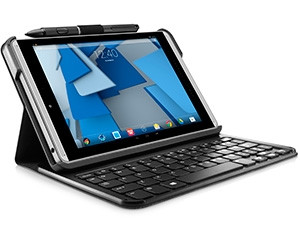
"Some users look to replicate the experience they have on their laptops. Users choosing devices running Windows generally want them because they offer the same look and feel as Windows on a laptop or desktop," he says. These devices, like HP's first Windows 10 commercial tablet, the Pro Tablet 608, offer a full Windows Professional experience.
"They find Windows-based mobile devices easy to use and easy to sync with their work stations, getting the same experience across all devices and there is no need for them to source additional apps to run Office tools. On the other side, some IT administrators may see it as just another Windows installation that will need patching and reloading every now and then.
The most popular device operating systems among local business and tech users are iOS and Android, with loyal users in both camps. "Apple iOS fans might argue the operating system is currently more secure, and that Apple offers better accessories and support. There is a broad range of Apple add-ons available, and it offers effective integration with other Apple home devices. On the down side, the devices are usually more expensive, only one spec is available in each new model and there is the issue of lock-in to Apple software and services."
"Because Android is based on open source, many brands are running the OS, which means huge spec and price flexibility. There is a large community of developers constantly making new apps freely available for Android, which means more features and functionality on the handsets and the freedom to add and remove apps at will. But Android users wanting to run Office tools have to find apps to enable this." Among the Android devices aimed at corporate users are HP's Pro Slate 8 and Pro Slate 12.
"Managing all of the different brands, makes and models, as well as the various operating systems, can be a bit of a nightmare," he says. "BYOD has been in the pipeline for a few years now, because South Africa typically adopts a wait and see attitude on new technology trends and there is a trend of adopting when mature. But now we are seeing it come to the fore in local enterprises, and our customers are increasingly looking to third party mobile device management tools, such as the HP Touchpoint Manager to onboard and manage devices, automate updates, authenticate users, dictate what mobile users can and can't do on the corporate network, and secure devices."
Share


Editorial contacts