
Eskom's increasing reliance on SAP technology is driving the state-owned power utility's efforts to meet its mandate of supplying electricity to SA's homes and businesses.
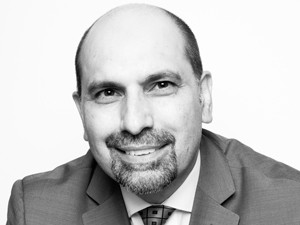
So says Sal Laher, chairman of the African SAP User Group and Eskom CIO, who delivered the closing keynote at Saphila 2014, at Sun City.
According to Laher, the rollout of SAP is improving process automation and the quality of data within the organisation. Speaking to ITWeb recently, Laher noted Eskom expects to spend between R3 billion and R5 billion on the SAP rollout, a figure he described as in line with industry standards, considering the scale of the deployment.
He says the SAP systems used are linked to Eskom's electricity generation, distribution, transmission, and corporate functions.
Eskom also runs a SAP Centre of Excellence, accredited by the software giant's German headquarters, and Laher says more than 500 people have so far received training as part of its graduate programme.
The utility has around 1 700 IT professionals, notes Laher, adding their roles ensure Eskom's critical applications and processes remain afloat.
Data management
Yoganthran Naidoo, master data custodian at Eskom, says the utility is also focused on master data management to help drive strategic and operational aspects. He says effective data governance at all levels of Eskom's organisation will be essential in achieving goals to increase efficiency.
Naidoo notes Eskom's approach involves specifying processes for handling information and appointing governors and stewards for managing and analysing data.
"In previous years, our analytics were giving us skewed answers, but managing data at a strategic and operational level means business decisions get taken quickly and the leadership is responsive," he says. The MDM focus aims to boost confidence in the quality of information gathered, which could result in better decisions from the utility's leadership, adds Naidoo.
One of the biggest challenges, says Naidoo, is establishing a culture of effective data handling within the organisation. "Data enters the lowest level of the organisation and gets utilised at the highest level. People need to take ownership of it so that it is visible at the right times within the organisation."
Share

