
As economic growth continues to slow, National Treasury is keeping a close eye on spending allocations, aiming to make sure every rand is accounted for.
The medium-term budget aims to create jobs, foster an investment-friendly climate, cut waste and extravagance in government, and direct public spending to reignite growth, complementing what the private sector invests.
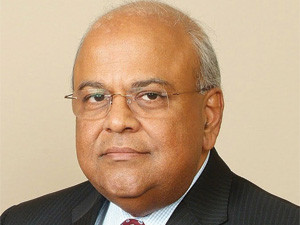
Finance minister Pravin Gordhan notes growth is too slow, while unemployment is too high. At the same time, state spending is overshooting revenue. "We must be frank with our fellow South Africans. This is a tough period, both globally and for the South African economy - but one with many possibilities and opportunities."
Treasury expects local economic growth to come in at around 2.1% this year - the fifth year after the global economic meltdown that led to casualties such as Lehman Brothers, in the US. This is a continuation of a pattern of steady decline since 2011, when the economic growth figure in SA was 3.5%. "This trend reflects a confluence of unfavourable global and domestic circumstances."
In the Medium-Term Policy Statement, treasury says the distribution of money has been done in line with the National Development Plan (NDP). Among the NDP's priorities are expanding access to communication, says Gordhan.
Under the mid-term budget - which is tabled to reassess spending since the February allocations - health and education continue to receive the largest amounts of money.
In addition, budgets linked to infrastructure, jobs, local government and community development grow strongly, notes the document, handed out this morning to coincide with Gordhan's tabling of the budget vote. The NDP aims to stimulate economic growth and trim unemployment.
"A large share of the national budget is spent to build infrastructure, and to procure goods and services. This expenditure contributes to production and jobs throughout the economy," notes the document.
However, National Treasury says the state must make sure procurement processes are prudent, deliver value for money and help to improve service delivery. "Rigorous procurement reforms are being initiated, especially in infrastructure project management, to strengthen service delivery, eliminate waste and root out corruption."
As part of a clamp-down on wasteful spending, a chief procurement office was established in April. Treasury says this office seeks to reduce wasted spending, trim corruption and make sure "government derives maximum social and economic benefits from every rand spent". In the next six months, the office will pilot reference pricing.
Spending ceiling
The medium-term budget policy statement proposes an average annual real increase in spending of 2.2% over the next three years. Yet, the spending ceiling set in the February R1 trillion budget remains in place.
"The budget framework sets explicit limits for public expenditure. This ceiling allows for sustained, but moderate real growth in spending and a gradually declining deficit.
"Government will finance future priorities and respond to spending pressures by reprioritising existing allocations and eliminating wasteful expenditure," notes treasury's documentation. Some R10 billion in anticipated spending over the next three years has been reprioritised, says Gordhan.
Government will spend a total of R16.8 billion on science and technology in the current financial year, a figure that will rise to R19.5 billion by the 2016/17 year at an average annual growth rate of 5.2%.
This is among the state's smallest spending categories, as health and social protection have been granted R266 billion this year, which rises to R328.4 billion by the end of the three-year term.
Education, seen as key to reduce poverty and unemployment, is another large priority in terms of spending at R233.6 billion this year. Other aspects such as transport, energy, defence, as well as public order and safety, are all granted larger portions of the budget than science and technology. Communications gets R2.4 billion.
Share

