
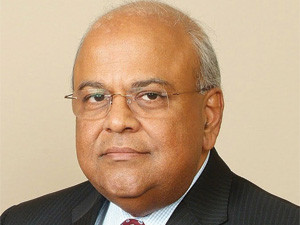
The state's plans for the next three years are focused on the transformation imperatives that will accelerate growth, create work opportunities and build a more equal society, finance minister Pravin Gordhan said during his budget 2014 address this afternoon.
"We have a clear and comprehensive vision for SA in 2030, a plan for higher growth, decent work and greater equality."
Gordhan, delivering the 2014 budget, said it lays the foundation for the structural reforms envisaged over the next term of "this government" and sets out the plan to intensify delivery under the National Development Plan (NDP).
The plan aims to boost economic growth and cut unemployment. National Treasury expects SA's economy to grow at 2.7% this year, moving to 3.5% in 2016. Conventional wisdom holds that growth of at least 5% a year is needed to create more jobs.
"We have to work together to radically change our economy. This means working with our major businesses so that they sparkle across the globe," said Gordhan.
"It means working with black entrepreneurs to grow their companies across SA and beyond, working with small and large businesses to build value chain linkages that support dynamic, export-oriented, competitive enterprises. It means bringing those who are marginalised into the mainstream of opportunity and activity. It means a better standard of living for all."
Government has also made several interventions in a bid to support South African industry to move the economy towards a "new growth trajectory," says Treasury.
Fiscal prudency
This year's budget, which sets the tone for the next three years, focuses on social spending - including social grants, education and health - as the largest category of investment. Allocations to education, infrastructure and job creation will grow in real terms.
Spending plans contained in the 2014 budget give effect to government's vision to 2030, as outlined in the NDP, while also reflecting the challenging economic environment and the need for fiscal consolidation over the medium-term.
Government has budgeted within a spending ceiling that allows for moderate real growth in expenditure, while reducing the budget deficit over time. State entities are being called on to trim ineffective and wasteful spending and focus on policies and programmes with the greatest developmental impact.
The budget framework allows for average annual real growth in non-interest spending of 1.9% between 2014/15 and 2016/17. This is a slowdown on the average yearly growth of 4.3% in non-interest spending seen in the last five years.
Excluding debt-service costs, consolidated government expenditure is expected to be R1.05 trillion in the year that is drawing to a close, rising to R1.31 trillion in 2016/17.
Gordhan said while much has been achieved in the past five years, in a difficult post-recession climate, there is more to do ahead: more to build, more to put right, more to learn, more to implement.
"We still have an immense set of tasks and challenges facing us. We cannot just muddle through the next decade."
Share

