
A Limpopo village is set to receive a smart village micro-grid that will provide solar-powered electricity to rural communities through smart grids.
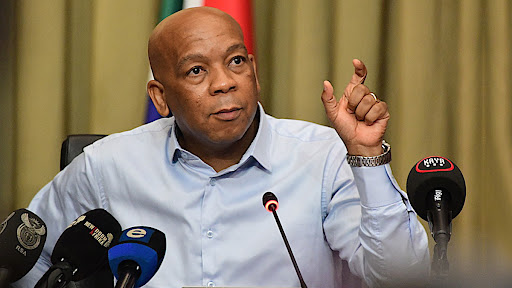
The project will be launched on Friday by electricity and energy minister Dr Kgosientsho Ramokgopa at Madimbo Primary School near Musina. It aims to provide sustainable, reliable and affordable energy to areas where connecting to the national grid is difficult or costly, says Eskom.
The initiative comes as experts warn that smart city technologies, while promising, must be carefully implemented to avoid deepening existing inequalities.
In a statement, Eskom says the project “marks government’s ongoing commitment and continuous drive to attaining affordable, reliable and sustainable energy access, rural development, and a just transition that empowers our people and communities”.
Eskom adds that the Musina Micro-Grid Project is a flagship example of a “smart village”, combining clean energy, digital connectivity and local economic development. It notes that the plan is “a blueprint for South Africa’s smart, green, and connected future”.
Madimbo, located in the Vhembe District, is known for its rich history, sunshine and recent development projects, including community halls, and agricultural initiatives like Madimbo Farms focusing on macadamias. Musina is mostly home to those who converse in Venda and Sotho.
Ensuring equitable access
A University of Johannesburg research paper released earlier this year, noted that while smart cities can use technology to “improve urban infrastructure and services, enhancing the efficiency and quality of life within urban environments”, rapid deployment often highlights and sometimes exacerbates existing social inequalities.
Authors Ayanda Ntanda and Randall Carolissen, point out that those without access to broadband and knowledge of how to use digital tools cannot benefit from them, deepening the digital divide.

Careful planning is essential to ensure smart cities benefit everyone, the paper notes. Without attention to digital access, privacy and the needs of marginalised groups – such as the elderly, people with disabilities and the unemployed – these initiatives risk deepening social inequalities, the authors say.
Meaningful citizen participation at every stage is key to creating inclusive, equitable smart cities, they add.
Mixed progress in metros
Several South African metros are already considered smart cities, including Johannesburg, Tshwane, Cape Town, eThekwini and Ekurhuleni, all with various levels of smart functionality.
Cape Town, for example, has implemented a smart transport system that uses technology to better manage traffic. Properly implemented, the university paper notes, efficient transportation systems underscored by digital innovations “are essential for enhancing urban mobility and mitigating traffic congestion”.
However, implementation has faced challenges. In Johannesburg, the City admitted to multiple setbacks in rolling out its smart city ambitions mid-year, citing issues such as “fragmented initiatives and insufficient governance structures”.
In its 2025/26 draft Integrated Development Plan (IDP), released mid-year, the municipality said it will renew its strategic focus on digital transformation and infrastructure.
The draft IDP lists a range of challenges that have hindered progress, including ineffective governance structures, poor planning, an outdated ICT environment and no mayoral agreement for implementation plans. The document also notes the city has not been able to keep “abreast of new technologies”.
The smart city strategy is currently under review for mayoral approval.
In Nelson Mandela Bay, the metro is implementing smart electricity and ICT modernisation solutions, while Buffalo City has digital governance pilots.
Share

