
Sentech, the Department of Communications and Digital Technologies (DCDT), the Media Development and Diversity Agency (MDDA) and the Government Communication and Information System have partnered to support the digital transformation of 20 community broadcasters across the country.
The partnership was signed on the second day of the Sentech Africa Tech Week Conference, held this week at the Cape Town International Convention Centre in Cape Town.
The programme will equip community TV and radio stations with the tools needed to stream their content online via web and mobile platforms.
Additionally, it will provide these community media groups with the necessary infrastructure and content management systems, while offering skills development, to help broadcasters extend their reach and make their content accessible to audiences anytime, anywhere.
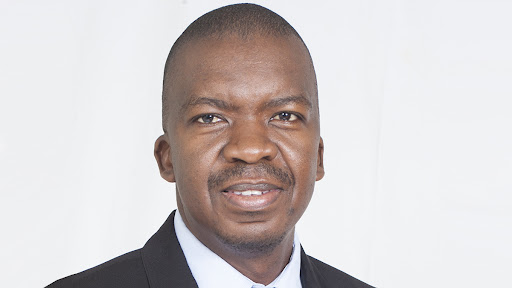
Speaking during a panel discussion about the partnership, Tebogo Leshope, CEO of Sentech, highlighted the importance of community media in reflecting local perspectives.


“The stories that are told by local broadcasters hold particular relevance because they have a close connection with their audience and their environment. There is no one who can tell a local story better than someone who lives and works in that community,” he said.
“For us, this partnership is a true demonstration of how government departments and government entities can collaborate to digitise our community broadcasters, which is imperative because we are living in a digital era.”
Also noted at the event was that the sustainability of community media is not just about technology, but about equipping community media with the skills needed to participate in the digital economy.
“Often, when we highlight the importance of media freedom, we look at the final product, but if we don’t enhance the capabilities of local talent and give these communities the opportunity to amplify their voice, the media isn’t representative of everyone,” said Shoeshoe Qhu, CEO of the MDDA.
“This has an impact on democracy, which is particularly relevant as we prepare for the upcoming local government elections.”
At present, there are 206 licensed community radio stations, six TV stations and 40 small or low-power licences in the country.
“Our hope is for all of these to eventually be a part of this programme so that we can expand the opportunity we are providing for our communities to tell their diverse and unique stories. This agreement is a direct response to the sector's need for sustainable digital infrastructure. Community media plays a vital role in giving voice to underserved communities, and this partnership will ensure these voices reach wider audiences across multiple digital platforms.”
For the DCDT’s director-general, Nonkqubela Jordan-Dyani, the partnership aligns closely with the department’s mandate to ensure every citizen has equal access to connectivity and digital technologies.
Many of these broadcasters cannot afford modern, sophisticated digital tools and equipment, she said, noting this initiative aims to empower them to improve their offerings and expand their audience.
“As a government, we must put these resources in the hands of community broadcasters to ensure no one is left behind on our journey to embrace digital technologies and, hopefully, increase the competitiveness of our country.”
Share

